Serving Vincennes, IN and surrounding areas. (812) 291-9608
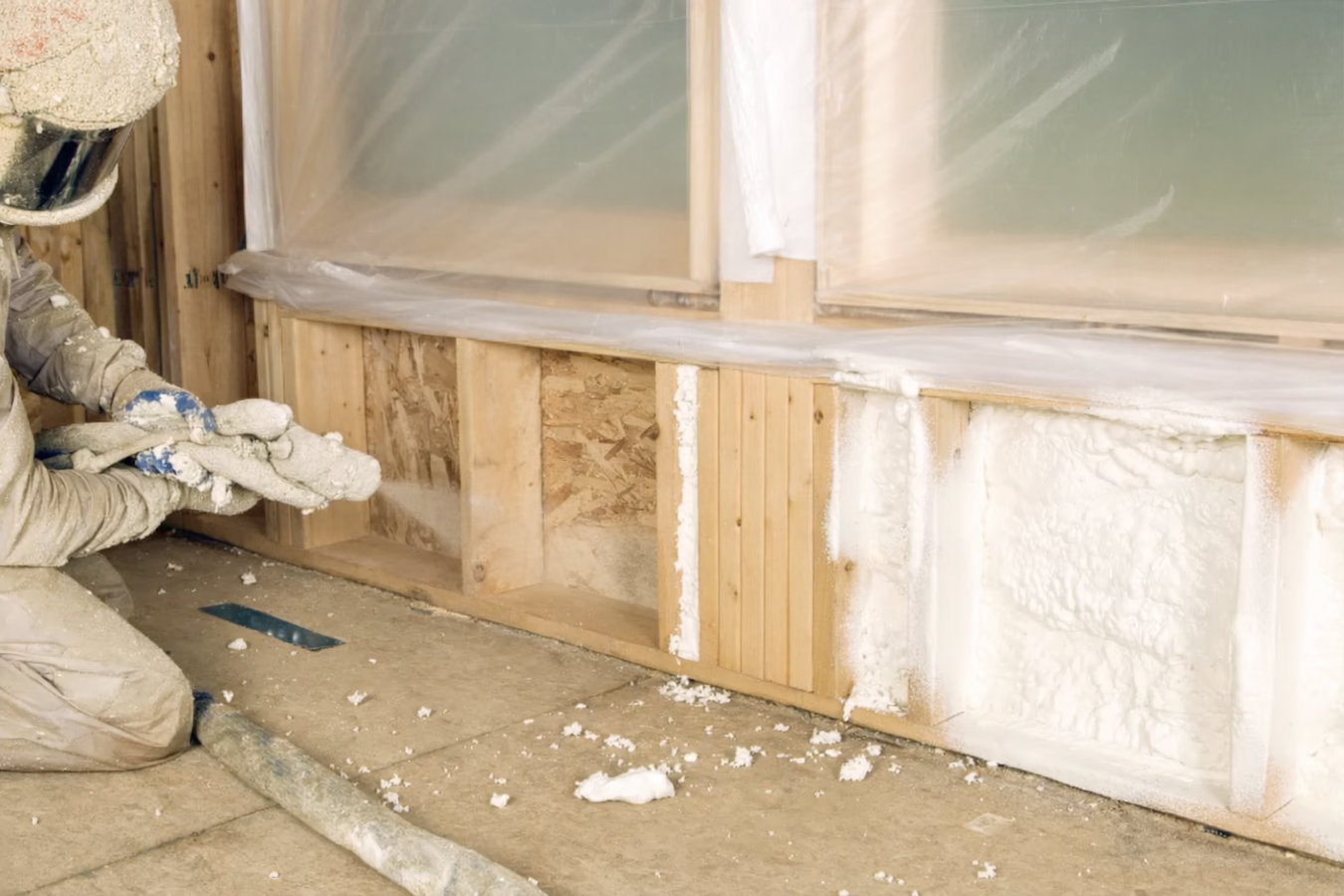
Gaps and cracks in your home's shell let heat out in winter and humidity in all summer. We find them, seal them, and prove the difference with before-and-after testing.
Air sealing in Vincennes means finding every gap and crack in your home's outer shell - around pipes, wires, light fixtures, and crawl space openings - and plugging them so conditioned air stays inside. Most jobs are completed in a single day with no disruption to your living space.
Insulation slows heat from moving through solid surfaces, but air sealing closes the holes that let heat bypass insulation entirely. The two work together. A Vincennes home with good insulation but unsealed gaps is still losing significant energy every day through those openings. That is why air sealing is often the first step we recommend before adding or replacing insulation.
Air sealing pairs naturally with basement insulation and our dedicated attic air sealing service, which targets the ceiling plane where most heat escapes in Vincennes homes. Addressing both levels gives you the most complete envelope improvement possible.
If your gas or electric bill jumps dramatically during the coldest weeks - even when you have not changed your thermostat habits - your home is likely losing conditioned air faster than it should. A well-sealed home holds heat much more consistently, so extreme outdoor temperatures do not translate directly into extreme utility bills.
Stand near your baseboards or hold your hand close to an electrical outlet on a cold January morning. If you feel a noticeable draft or chill, outside air is finding its way in through gaps in your walls or floor. This is especially common in older Vincennes homes where the framing has settled over decades.
During Vincennes summers, a home with significant attic air leaks will allow hot attic air to push down into living spaces, making upper floors stuffy and hard to cool. If your upstairs bedrooms feel noticeably warmer than the rest of the house even with air conditioning running, attic air leakage is a likely cause.
Homes with crawl spaces - common in Vincennes - often develop musty odors when damp ground-level air moves up through unsealed floors. Condensation on interior windows in winter can also signal that humid air is infiltrating your home and hitting cold surfaces. Both are signs that your air barrier has gaps that need attention.
Air leaks are not random - they follow predictable paths through your home. Warm air rises and escapes through the attic floor plane, cold outside air enters through the crawl space and rim joists, and gaps around every pipe and wire penetration act as tiny chimneys running through your walls. Our approach addresses all of these areas in a single project rather than treating them as separate problems. For attic-specific work, our attic air sealing service goes deep on the ceiling plane where the biggest gains are usually found.
For homes with crawl spaces - which describes a large share of Vincennes's older housing stock - crawl space sealing is often the highest-impact part of the whole project. Damp, cold ground air moving up through unsealed floors affects both comfort and indoor air quality year-round. We also offer full-home diagnostic assessments using blower door testing for homeowners who want a measurable baseline and documented proof of improvement. Pairing air sealing with basement insulation creates a complete lower-level envelope solution.
Addresses the most common source of heat loss in Vincennes homes - gaps around recessed lights, wiring, and attic hatches that let warm air escape.
Seals the crawl space walls and floor to stop cold, damp ground air from moving up into your living space - critical for the many Vincennes homes built over a crawl space.
Targets the joint where your home's floor framing meets the foundation wall - one of the highest-leakage areas in older homes and often overlooked.
Uses a blower door test to find and measure every leak before and after the work, providing measurable proof of improvement for homes with unknown leakage levels.
Vincennes sits near the Wabash River in the broader Ohio River valley region, which means outdoor humidity levels here are higher than in much of Indiana. That persistent moisture means unsealed gaps do not just let heat out - they let humid air into wall cavities and attic spaces where it can condense on cold surfaces and cause long-term moisture damage. Air sealing in Vincennes has a protective function that goes beyond energy savings. And because so much of the local housing stock was built before the 1980s - when airtightness was simply not part of how homes were constructed - the leakage levels in older Vincennes homes can be surprisingly high.
Vincennes winters regularly drop into the teens, and the wide temperature swing between January lows and July highs creates year-round pressure on your home's envelope. That is why homeowners across the region - including in Sullivan, IN and Linton, IN - find that air sealing delivers noticeable results in both heating and cooling seasons, not just one.
When you reach out, we ask about your home's age, square footage, and what problems you are noticing. We reply within one business day and schedule an in-home assessment - typically free or low-cost.
We walk through your attic, crawl space, and main living areas. We may run a blower door test to find and measure every air leak - this takes one to two hours and gives you a clear picture of what is happening before any work begins.
The crew works in your attic, crawl space, and around utility penetrations using foam and caulk to close every gap. Most jobs are completed in a single day. You can stay home - there is no need to vacate the property.
We run a follow-up blower door test to confirm the leakage was actually reduced, then walk you through what was done. You leave with a clear sense of what improved and what to expect on your next utility bill.
Free estimate, no obligation. We reply within one business day and assess your home before you commit to anything.
(812) 291-9608We use blower door testing before the job and again after to show you in measurable terms exactly how much the air leakage was reduced. If a contractor cannot show you a number, they are guessing. We do not guess.
A large share of Vincennes homes sit over a crawl space, and it is often the biggest source of air and moisture problems in the whole house. We assess and seal the crawl space as a standard part of every air sealing project - not an afterthought.
A tightly sealed home still needs to breathe in the right places. We evaluate your home's ventilation as part of every project and will tell you upfront if any adjustments are needed - so you do not end up with a moisture problem six months later.
We know the Duke Energy Indiana rebate programs and current federal tax credits that apply to air sealing work in Knox County. We walk every customer through available incentives before they commit - you should not have to research this on your own.
Air sealing is not visible work - you cannot see foam behind your drywall or under your crawl space after the job is done. That is exactly why measurement and documentation matter. Every project we complete includes a clear record of what was done and, for diagnostic projects, before-and-after test results. The U.S. Department of Energy estimates that properly sealing and insulating a home can reduce heating and cooling costs significantly - and Knox County homeowners who have had this work done tell us they notice the difference the first time a cold snap hits after the project is complete.
Insulate your basement walls and rim joists to reduce heat loss from the ground up.
Learn MoreTargeted sealing of the attic floor plane where most heat escapes in Vincennes homes.
Learn MoreFall slots fill quickly - call now or request a free estimate online and get your home sealed before the first hard freeze.