Serving Vincennes, IN and surrounding areas. (812) 291-9608
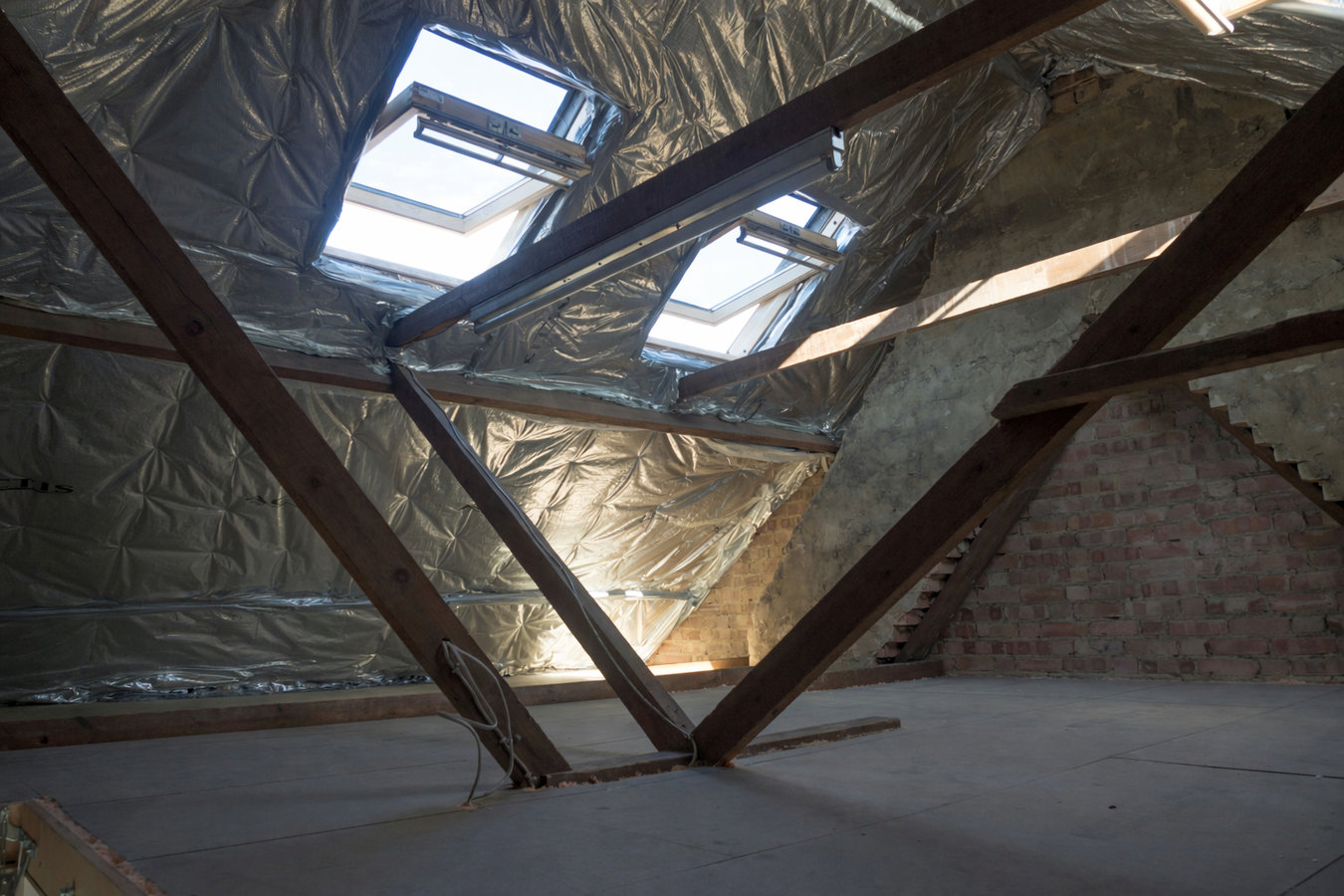
Most Vincennes homes were built before modern insulation standards, and the attic is usually the biggest gap. Adding or upgrading your attic insulation is the single most effective step you can take to reduce heating and cooling costs year-round.
Attic insulation in Vincennes, IN acts as a thermal barrier between your living space and the outdoors - slowing heat loss in winter and blocking heat gain in summer, and most jobs on a standard Vincennes home are completed in a single day.
If you have been living with a second floor that will not cool down in July or bedrooms that feel drafty in January, the attic is almost always the place to start. It is the largest uninsulated surface in most homes and the one that drives the most comfort and cost problems. Vincennes has a lot of older housing stock where the insulation that was installed decades ago has settled and compressed to the point where it no longer meets current energy standards.
When we upgrade your attic, we pair insulation with attic air sealing - closing the gaps around pipes, wires, and ceiling fixtures before new material goes in. Skipping that step is the most common reason an insulation upgrade does not deliver the results a homeowner expects.
If your energy bills have gone up noticeably over the past year or two and nothing obvious has changed, your attic insulation may be the culprit. Heat escapes through an under-insulated attic faster than through any other part of your home, and your furnace or air conditioner has to run longer to compensate - in both seasons.
If the upstairs bedrooms or rooms directly below the attic are noticeably colder in winter or stuffier in summer than the rest of the house, heat is moving through your ceiling when it should not be. This is one of the most common complaints homeowners in older Vincennes homes describe - the thermostat says one thing, but the room feels like another.
If you look into your attic and can clearly see the tops of the wooden beams running across the floor, your insulation level is almost certainly too low. Properly insulated attics have material that covers those beams entirely, often by several inches. This is a quick visual check anyone can do with a flashlight and a few minutes.
Ice dams - the ridges of ice that build up along the edge of a roof after a snowfall - are a classic sign that heat is escaping through your attic and melting snow unevenly. Vincennes gets enough winter precipitation that ice dams are a real concern, and they can cause water to back up under shingles and leak into your home.
We install blown-in insulation and batt insulation depending on your attic layout and what is already there. For most older Vincennes attics - where framing is irregular and existing material needs to be worked around - blown-in insulation is the right choice. It conforms to whatever shape the attic takes, fills corners that batts would miss, and can be added on top of existing material without removing it first.
Before any insulation goes down, we seal air gaps - around recessed lights, pipe penetrations, and attic hatches - because those gaps let conditioned air bypass the insulation entirely. Every job is measured and installed to meet Indiana energy code minimums for this climate zone, which gives you a baseline you can document and verify. Federal tax credits may also be available for energy efficiency upgrades - ask us about that before you sign anything.
Best for attics with existing insulation, irregular framing, or limited access - loose fill material covers every corner without gaps.
Ideal for new construction or attic areas where framing is consistent and there is nothing existing to work around.
Always done before new insulation is installed - seals gaps around pipes, wires, and fixtures that would otherwise let conditioned air escape.
When existing insulation is damaged, wet, or contains materials that should not stay, we remove it before adding new material.
Vincennes winters push well below freezing and summers bring high heat and humidity from the Wabash River valley. That means your attic insulation is working in both directions every year - not just holding heat in during winter, but blocking radiant heat from pouring into your living space all summer. Homes built before the mid-1980s were typically insulated to standards that are significantly below what is recommended today, and many of those homes have never had insulation work done since.
The humidity that comes with the river valley geography also affects attic spaces directly - moisture can cause insulation to clump and compress over time, reducing how well it works. We serve homeowners throughout Vincennes and Washington, and we check for moisture issues before anything else when working in older attics. The ENERGY STAR home sealing guide outlines exactly why air sealing and insulation work together - it is not enough to just add more material.
We respond within 1 business day. Tell us the age of your home and what you have been noticing - high bills, uncomfortable rooms, or visible insulation issues. That helps us come prepared.
We go up through your attic hatch - usually a 20-to-30-minute visit - and check existing insulation depth, air gaps around fixtures and pipes, and any signs of moisture. You get a clear picture of what the job involves before you commit to anything.
Your estimate breaks down the material, the amount to be installed, whether air sealing is included, and whether old material needs to come out first. Take your time - there is no rush to decide.
Most Vincennes attic jobs are finished in a single morning or afternoon. You do not need to leave - the crew works through the attic hatch. We do a final walkthrough before we leave so you can see the finished result.
We respond within 1 business day and can typically schedule a free on-site estimate within the same week. No pressure, no obligation - just a clear picture of what your attic needs.
(812) 291-9608We seal gaps around pipes, fixtures, and wires before any new insulation goes in. That step is the one most contractors skip - and the reason many attic upgrades underperform. We do not skip it.
Indiana follows the International Energy Conservation Code, and we install to those minimums on every job. This matters if you ever sell - the work is documented and defensible.
An under-insulated attic costs you money every month it goes unaddressed. We respond within 1 business day and get on the schedule quickly so you stop paying for the delay.
Before the crew packs up, we walk you through the finished attic - showing you the depth, confirming it meets the recommended level, and answering any questions. You know what you paid for.
Attic insulation is one of the few home upgrades where the return on investment shows up on the very next utility bill. We bring the local knowledge to do it right - from understanding Knox County humidity to knowing how older Vincennes homes were framed and what they need today.
Blown-in insulation is the most common method for adding coverage to an existing attic - fast to install and thorough in older framing layouts.
Learn MoreAir sealing should always be done before new insulation is added - it closes the gaps that let conditioned air escape past any insulation layer.
Learn MoreCall Vincennes Insulation for a free estimate - the sooner you schedule, the sooner your energy bills start reflecting the improvement.