Serving Vincennes, IN and surrounding areas. (812) 291-9608
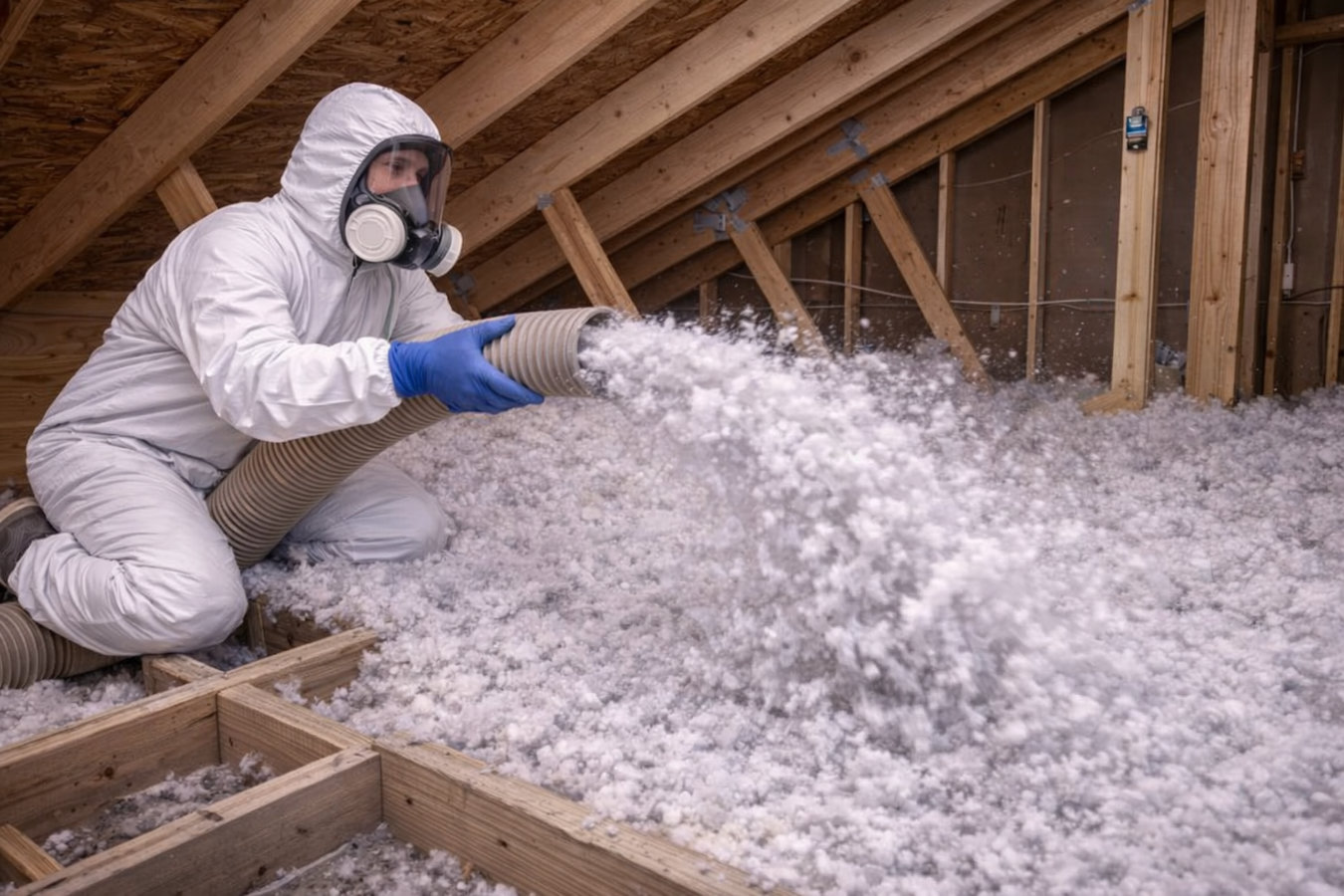
Thin or patchy attic insulation lets heat escape all winter long. Blown-in insulation fills every corner of your attic and helps Vincennes homes stay warm, dry, and efficient.
Blown-in insulation in Vincennes means loose fiberglass or cellulose material is pushed into your attic through a large hose, filling gaps and corners that rigid batts never reach - most attic jobs are completed in a single day.
If your home is more than 40 years old, there is a strong chance your attic has only a few inches of original material - well below what Indiana winters and summers demand. Cold rooms in January, high gas bills, and ice along your roofline are all common signs that your attic insulation is falling short.
Many homeowners pair blown-in with home insulation improvements to address the whole house at once. Give us a call and we can tell you exactly what your attic needs.
If your gas bill climbs sharply during Vincennes's coldest months - even without changing your thermostat - your attic insulation is a likely culprit. Heat rises, and if there is not enough insulation above your living space, that warmth escapes straight through your ceiling. This is one of the most common and overlooked energy drains in older Vincennes homes.
If one bedroom is always chilly in winter or one part of the house never cools down in summer, uneven insulation is often the reason. Blown-in insulation can settle over time, or older homes may have areas where insulation was never installed at all. Walking through your home and noticing which rooms feel different is a simple, no-cost diagnostic.
If you open your attic hatch and see thin or patchy material, bare wood joists, or feel cool air dropping down into your hallway in winter, your attic insulation is almost certainly underperforming. Many Vincennes homes built before the 1970s have this condition - the original insulation was simply not installed to the depths that are necessary for this climate.
Ice dams - the ridges of ice that build up along the edge of a roof after a snowfall - are a classic sign that heat is escaping through your attic. Vincennes gets enough winter precipitation that ice dams are a real concern, and they can cause water to back up under your shingles. Adding blown-in insulation to bring your attic up to the right depth is one of the most effective ways to prevent them.
We install both fiberglass and cellulose blown-in insulation, and we will recommend the right material based on your attic's condition, ventilation, and moisture history. Before any material goes in, we seal gaps around light fixtures, plumbing penetrations, and other openings in your attic floor - a step that makes a real difference in how well the insulation performs once it is in place.
Blown-in insulation is also one of the most practical options for whole-home insulation upgrades and for filling wall cavities where batt insulation cannot be easily added. If you have existing walls that feel cold to the touch, ask us about wall insulation options that use blown-in material without requiring full drywall removal.
Best for homes with thin or aging attic material that needs to reach Indiana's recommended depth.
Ideal for older homes where wall insulation was never installed or has settled and left gaps.
A good fit for older homes with irregular framing - dense-packs into tight spaces very effectively.
Naturally moisture-resistant, suits attics with good ventilation where a lighter material works well.
Vincennes sits in Knox County in southwestern Indiana, where winters regularly push into the teens and humid summers can send temperatures into the 90s. That wide swing means your insulation is working hard in both directions - keeping heat in during January and keeping it out in August. Homes with thin or aging attic insulation feel it on both ends of the year: high gas bills in winter and an air conditioner that never quite catches up in summer. The Wabash River location also means higher ambient humidity in spring, which is worth checking before any blown-in job since moisture can degrade insulation over time.
A large share of Vincennes's housing stock was built before 1970, often with minimal insulation that was considered adequate at the time but falls well short of what Indiana's climate zone requires today. We serve homeowners throughout the area, including Washington, IN and Sullivan, IN, where older housing stock faces the same challenges. If your home is more than 40 years old and the attic has never been updated, there is almost certainly room for improvement. Learn more about insulation requirements from the ENERGY STAR insulation guide.
We will get back to you within 1 business day to schedule an assessment. Just describe what prompted you to call - high bills, cold rooms, or visible signs in the attic.
We come out, measure what is already in your attic, check for moisture or ventilation issues, and identify any air sealing gaps that should be addressed first. You receive a written estimate with material, depth, and R-value clearly stated.
Before any material goes in, we seal gaps around fixtures and penetrations by hand. Then we run the hose from the truck up through your attic hatch and blow in material to the correct depth - typically a few hours for an average home.
We clean up around the access area and post the required FTC label near your attic hatch confirming the material used, depth installed, and R-value achieved. That label is your permanent record of the work.
Free estimate. Written quote with material, depth, and R-value. No obligation.
(812) 291-9608Our installers have worked on homes throughout Indiana for years. That experience shows in the finished work and in documentation that protects your home's value if you ever decide to sell.
We come out, look at your attic, and give you a written estimate that spells out the material, the depth, and the R-value you will end up with. No verbal promises, no surprises on the invoice.
A drafty attic in January is not a problem you want to wait two weeks to fix. We respond within 1 business day and can typically schedule most jobs within the same week. Check the FTC R-Value Rule to understand what documentation your contractor is required to provide after the job.
Skipping air sealing is one of the most common shortcuts in poor-quality blown-in jobs. We seal gaps around fixtures and penetrations before any material goes in because that step is what makes the insulation actually deliver the performance it promises.
We install to the depth recommended for Indiana's climate zone and leave behind the required documentation. Whether your attic is a quick top-off or a full upgrade from near-zero, we do the job the same way.
Comprehensive insulation assessment and installation for every area of your home, from attic to crawl space.
Learn MoreBlown-in and other methods for insulating wall cavities in existing homes without full drywall removal.
Learn MoreHeating season does not wait - call today and we will assess your attic and give you a written quote within 1 business day.