Serving Vincennes, IN and surrounding areas. (812) 291-9608
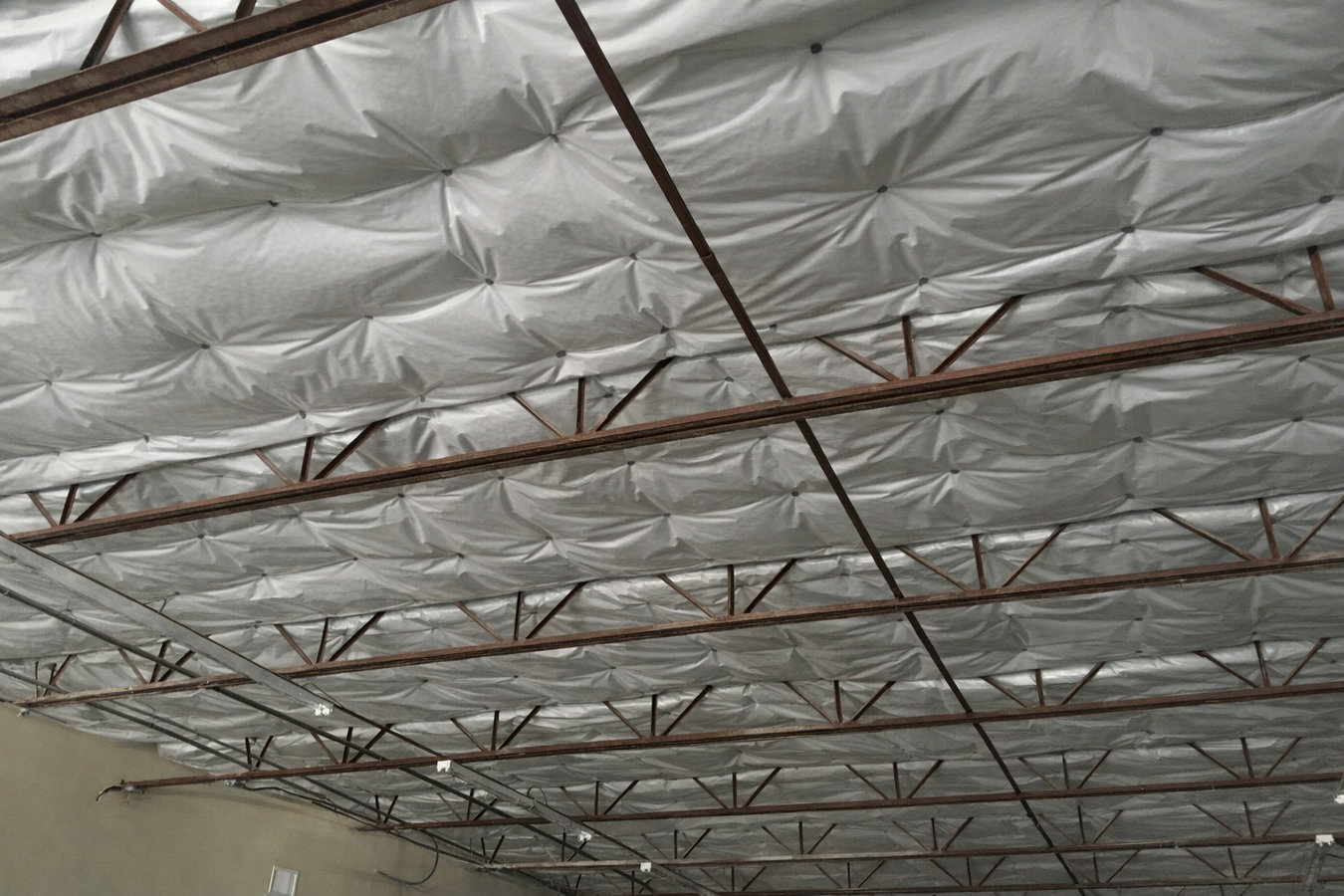
Older commercial buildings in Knox County lose energy through walls and attic spaces that were built to a different standard. We assess your building, pull permits, and install the right materials - so your space holds a comfortable temperature without your HVAC running constantly.
Commercial insulation in Vincennes covers offices, warehouses, retail spaces, and other commercial buildings - using spray foam, blown-in loose fill, rigid board, or batt materials depending on the building type. Most jobs on a single-floor commercial building are completed in one to three days.
Vincennes has a significant share of commercial buildings that are several decades old - many dating to the mid-20th century or earlier. Buildings of that era were often built with little or no wall insulation by today's standards, and whatever was installed may have settled, compressed, or been damaged by moisture over the years. If your building was constructed before the 1980s, there is a reasonable chance the insulation is underperforming even if nothing looks obviously wrong.
Addressing insulation in a commercial building involves both thermal performance and air sealing - the same two problems our spray foam insulation service tackles for residential properties. For projects that include crawl spaces or below-grade areas, our crawl space vapor barrier service addresses the moisture side of the equation so new insulation performs the way it should.
If your utility costs have increased over the past few years without a clear change in usage, failing insulation is one of the most common culprits. In Vincennes, where both winter heating and summer cooling put real demands on a building, poor insulation means your HVAC system runs longer and harder - and you pay for every extra hour it runs.
If one side of your building is always cold in January or sweltering in July while the rest feels fine, that usually points to a gap in insulation coverage rather than an HVAC problem. Uneven temperatures are a reliable signal that insulation is missing, compressed, or moisture-damaged in specific areas.
If your commercial property in Vincennes was built before the 1980s and has never had an insulation assessment, there is a good chance it is underperforming. Buildings of that era were constructed to different standards, and decades of settling, moisture exposure, and wear can leave insulation doing a fraction of its original job.
The Wabash River corridor and Vincennes's humid summers mean water-related problems are not uncommon in local commercial buildings. If your building has experienced a roof leak, basement flooding, or persistent condensation, the insulation in those areas should be checked. Wet insulation loses its effectiveness quickly and can become a source of mold if not addressed.
The right insulation material depends on your building's layout, construction type, and where the biggest energy losses are occurring. Spray foam - both open-cell and closed-cell - is the most versatile option because it insulates and seals air leaks at the same time. This matters especially in older Vincennes commercial buildings with irregular construction and decades of gaps around windows, doors, and utility penetrations. Our broader spray foam insulation service covers both material types in detail so you can understand the trade-offs before committing.
Blown-in loose fill is a cost-effective solution for large attic spaces in commercial buildings where complete coverage matters more than a vapor barrier function. Rigid foam board is used for flat roof assemblies and continuous insulation on exterior walls. For buildings that have had water intrusion, we assess moisture conditions before any material goes in - and if crawl spaces are part of the picture, our crawl space vapor barrier service protects the new insulation from the ground moisture that affects many properties in the Wabash River corridor.
Best for buildings with significant air leakage or irregular construction - addresses both insulation and air sealing in one application.
Suits large attic spaces and areas with existing framing where complete cavity coverage at a lower cost per square foot is the priority.
Good fit for flat roof assemblies and continuous insulation applications on exterior walls where thermal bridging through framing is a concern.
Practical for new construction or renovations where wall and ceiling cavities are open and consistent framing makes batt installation straightforward.
Vincennes sits in southwestern Indiana and experiences genuine four-season weather: winters regularly drop below freezing, and summers bring heat and humidity that can push indoor temperatures up sharply. That means insulation has to work hard in both directions - keeping heat in from November through March and keeping it out from June through August. A building that is under-insulated will show up on your utility bills every month of the year, not just in winter. Indiana's commercial energy code sets minimum insulation requirements for permitted work, but meeting the minimum does not always mean you are getting the best value for your building's specific conditions.
The Wabash River's proximity elevates ambient humidity in Vincennes compared to many inland Indiana cities - and that moisture can work its way into wall cavities and attic spaces, particularly in older buildings with gaps in the building envelope. A contractor working in this area should be thinking about moisture management alongside thermal performance. We serve commercial property owners throughout the region, including those in Jasper, IN and Princeton, IN, where the same climate demands and older building stock create similar challenges.
When you reach out, we ask about your building type, approximate size, and what is prompting the call. We reply within one business day. No honest contractor can give you a real number without seeing the building first.
We walk through your building, check existing insulation, look for moisture or damage, and assess which areas need attention. Within a few days you receive a written estimate with scope, materials, and total cost - something you can compare against other bids.
If the project requires a permit - which depends on scope and type of work - we handle pulling it from the Knox County building department before any work begins. For most commercial jobs in Vincennes, lead time from signed contract to start date is typically one to three weeks.
The crew works through the areas outlined in your estimate. If a permit was pulled, a Knox County inspector verifies the work meets Indiana's commercial energy code before any insulation is covered up. We then walk you through the completed work before leaving the job site.
No obligation, no pressure. We reply within one business day and visit your building before giving you any numbers.
(812) 291-9608We have a working relationship with the Knox County building department and handle the permit paperwork, scheduling, and inspection coordination on your behalf. You should not have to make calls to the county office on top of running your business.
The Wabash River corridor raises humidity levels across Vincennes, and older commercial buildings frequently have moisture in walls and attic spaces. We check for water intrusion and damage during the walkthrough and flag anything that needs to be addressed before new insulation is installed.
Indiana has adopted a commercial energy code that sets minimum insulation requirements for permitted work. We know what those standards require for your building type and climate zone - which means inspections pass and you are not left explaining a code deficiency after the fact. More detail is available from the{' '}Indiana Department of Homeland Security.
You will never receive a verbal ballpark from us. Every commercial quote is documented with the scope of work, materials being used, and a breakdown of labor versus materials - so you can compare it clearly against other bids and have a reference point if anything changes.
Commercial insulation is a significant investment, and the only way to know whether it delivered value is if the work was documented, permitted, and inspected. We handle all of that - so when the project is done, you have a record that protects you whether you are dealing with a future sale, a tenant, or an insurance question. Learn more about Indiana's commercial building code standards at the Indiana Department of Homeland Security and insulation quality standards from the North American Insulation Manufacturers Association.
Address ground moisture in commercial crawl spaces before it damages insulation or creates air quality problems.
Learn MoreExplore closed-cell and open-cell spray foam for commercial buildings that need both air sealing and thermal performance in one step.
Learn MoreVincennes winters do not wait - lock in your installation date before the busy season fills the calendar.